

Every serious startup runs on a small stack of documents. They decide who owns the company, who gets paid what, who owns the product, and what happens when something goes wrong. Get them in place, and you can hire, raise money, and sign deals without scrambling. Miss them and a single dispute, or one routine investor check, can stall the whole business.
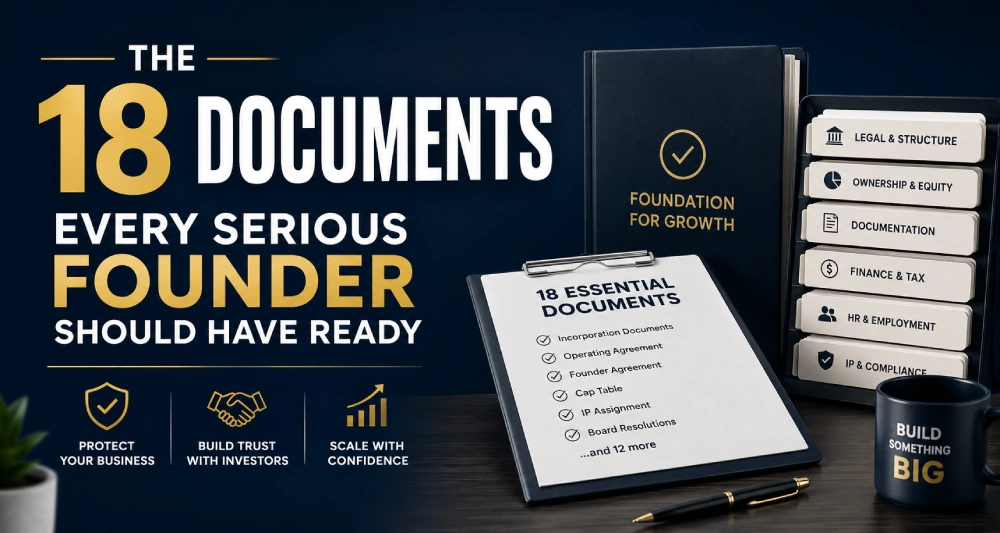
This is the list of 18 documents most founders are expected to have ready. Some you need from day one. Others only matter once you hire or raise. Below, each one is explained in plain language, with a note on why it matters and when you actually need it.
The 18 documents at a glance
Grouped by what each document actually doew for your startup.
- Founder Agreement
- Incorporation documents
- co-founder exit clause
- legal compliance docs
- shareholder agreement
- cap table
- ESOP agreement
- NDA
- IP Assignment Agreement
- Trademark / IP Documents
- Employee Contracts
- Offer Letters
- HR Policies
- Terms of Service
- Privacy Policy
- Pitch Deck
- Financial Model
- Term Sheet
Why these documents decide whether you look serious
Three simple reasons explain why founders are judged on their paperwork before anyone reads the business plan.
- Investors check before they invest. A funding review is mostly a document review, and gaps either slow the deal down or end it.
- Disputes are settled by paper, not memory. When founders or shareholders disagree, the written agreement is what holds, not what people remember promising.
- Your team needs clarity. Contracts and policies tell people exactly where they stand, which keeps good staff and heads off claims.
Why the paperwork decides if you look serious
The 18 documents, explained
1. Founder Agreement
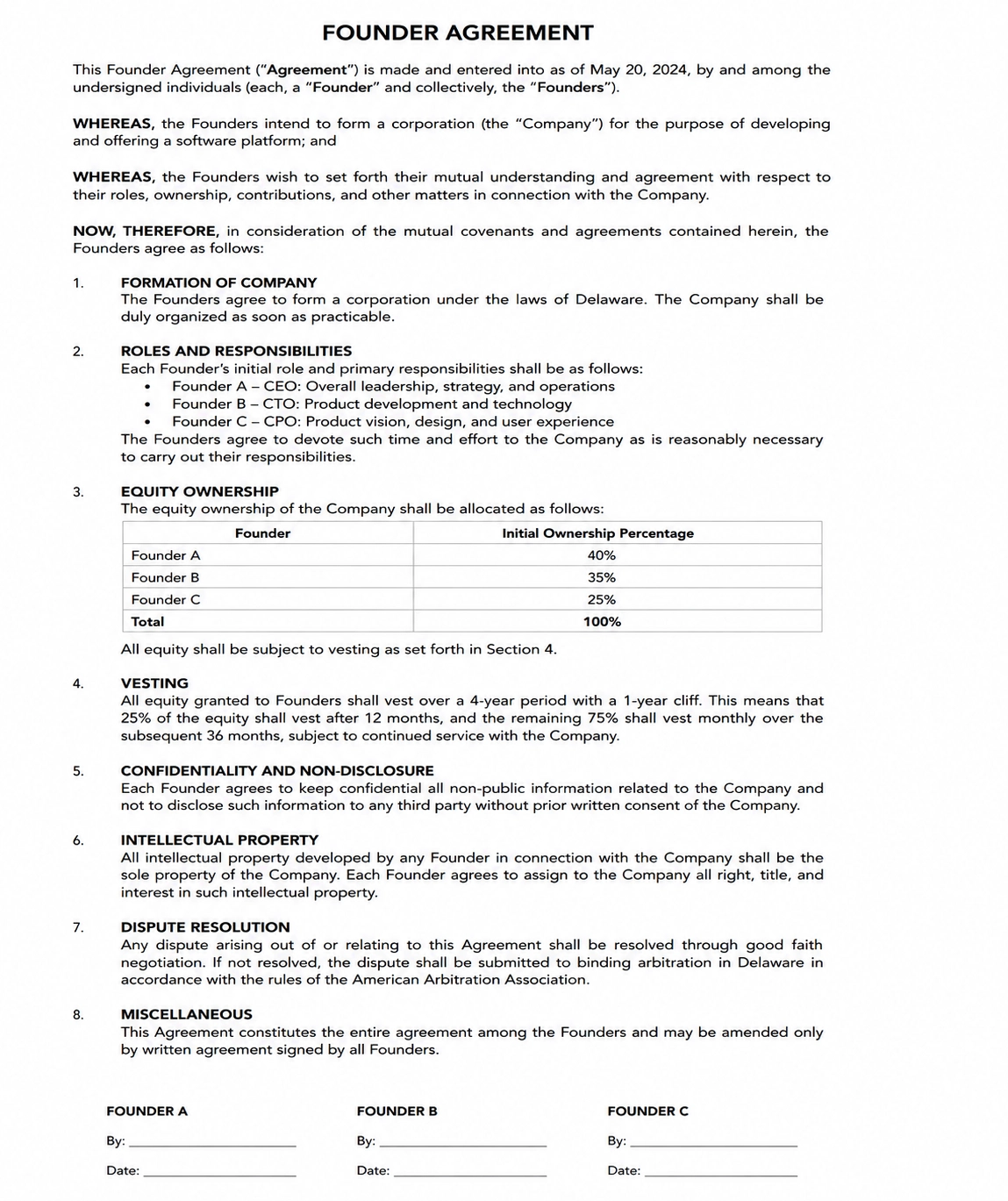
A founder agreement sets out who owns what, who is responsible for what, and what happens when things change. It records each founder’s equity split, roles, decision rights, and time commitment. Most early startup fights trace back to a handshake deal nobody wrote down, and this is the document that prevents that. Sign it before you build anything serious together.
2. Incorporation Documents
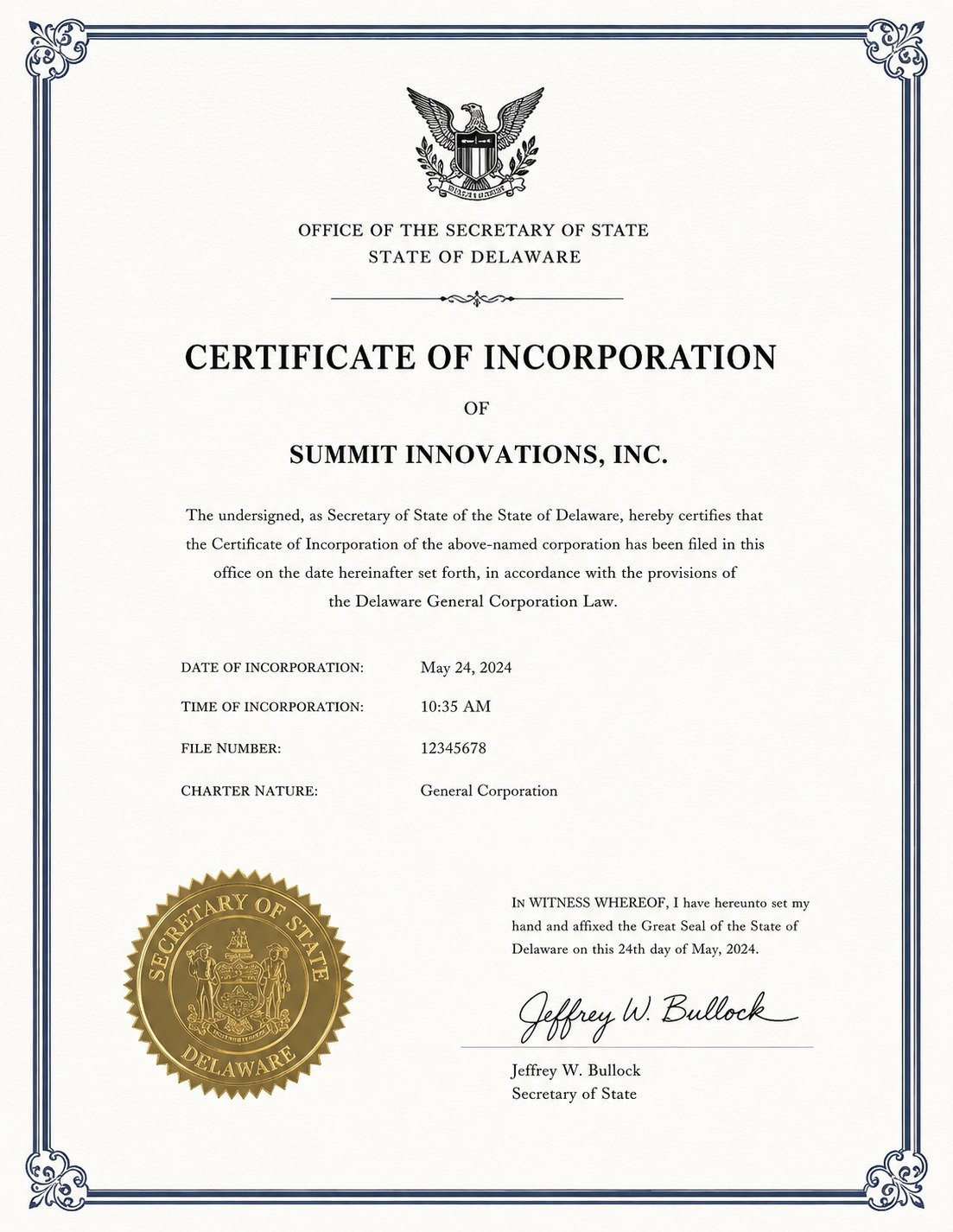
These are the papers that turn your idea into a legal company: the certificate of incorporation, the articles, and your registration filings. Without them, you cannot open a business bank account, sign contracts, or take investment. Investors ask for these on the first day of a check, so keep both the originals and digital copies somewhere you can find fast.
3. Co-founder Exit Clause
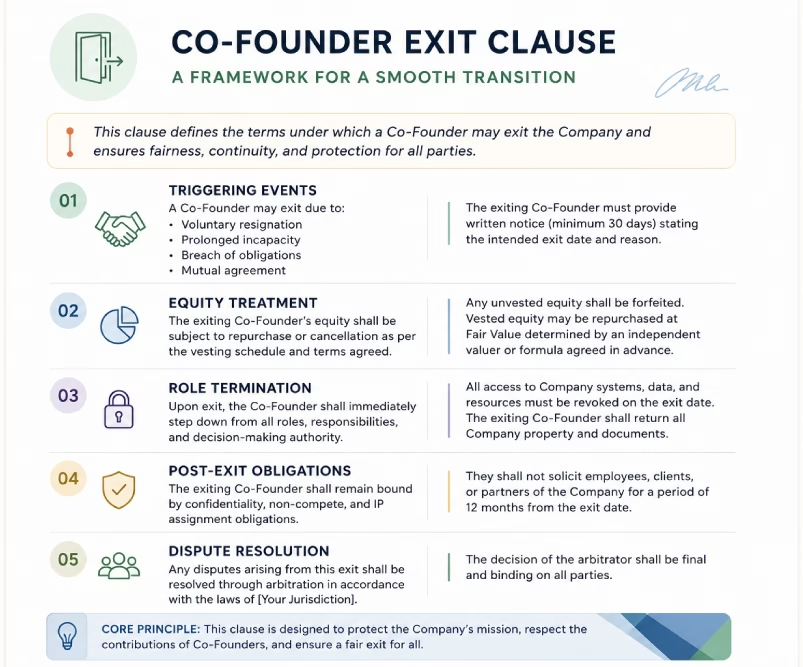
An exit clause spells out what happens when a co-founder leaves, whether they walk away, get removed, or step back for personal reasons. It covers what happens to their shares, whether unvested equity returns to the company, and any notice period. Founders hate discussing this at the start, but it is far cheaper to agree the rules before anyone has a reason to argue.
4. Shareholder Agreement
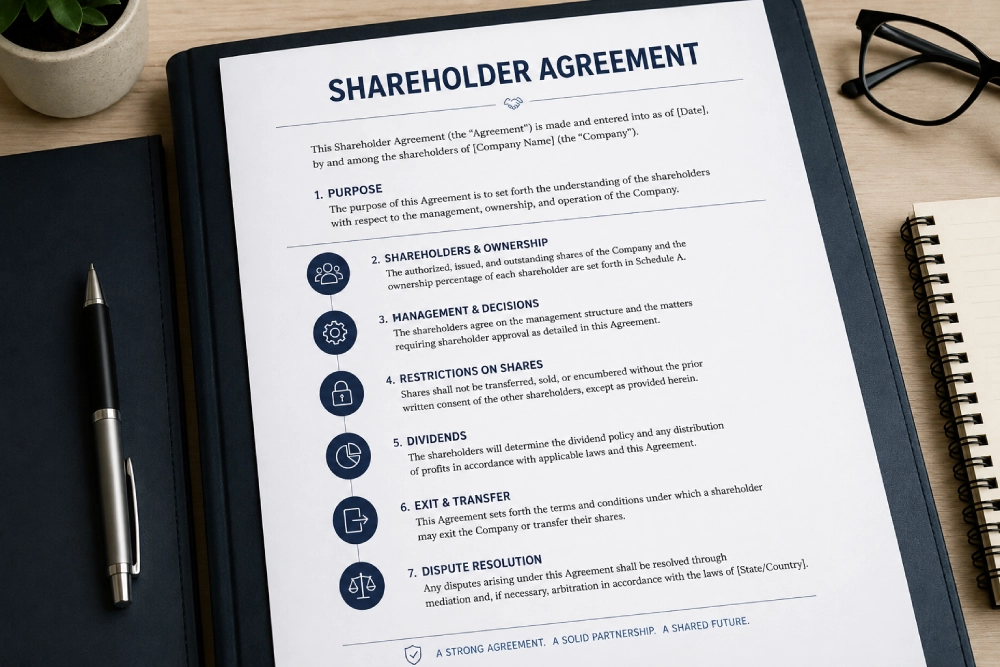
A shareholder agreement defines the rights and duties of everyone who holds shares in the company. It covers voting rights, how new shares get issued, what happens if someone wants to sell, and how big decisions are made. It protects both the larger and the smaller shareholders, so nobody gets pushed out unfairly.
5. Cap Table
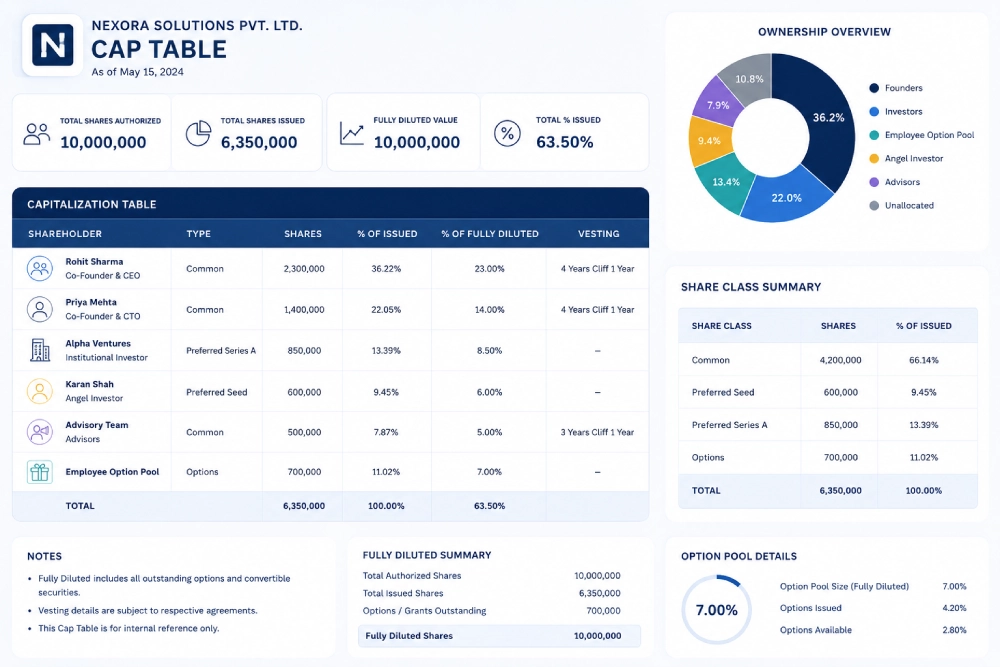
A cap table, short for capitalization table, is a live record of who owns how much of your company. It lists every founder, investor, and option holder, with their percentage and share class. A messy or out-of-date cap table is one of the fastest ways to lose an investor’s confidence, so keep it current from the start.
6. ESOP Agreement
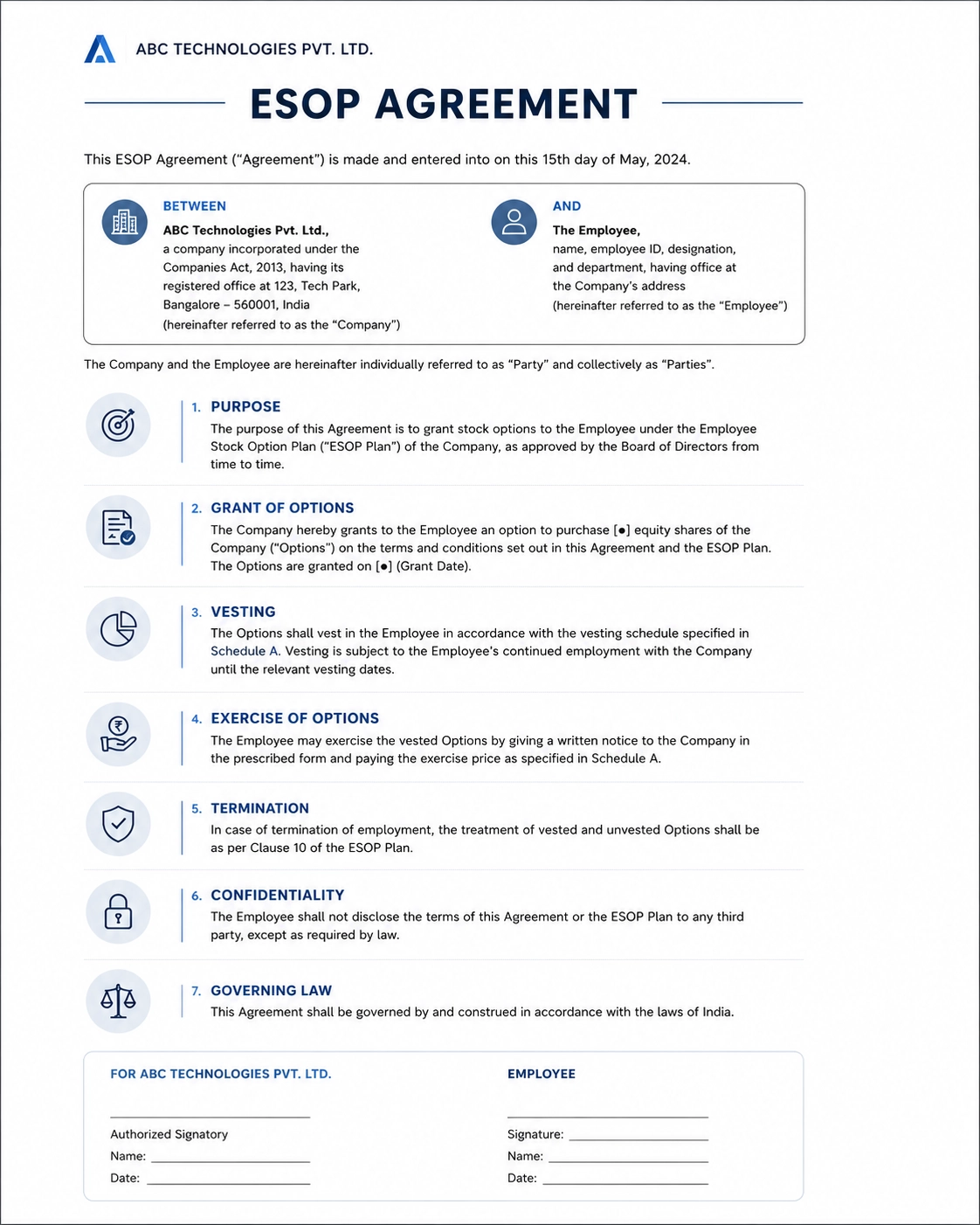
An Employee Stock Option Plan, or ESOP, is how you give your team a slice of equity as part of their pay. The agreement sets the size of the option pool, the vesting schedule, and the price at which staff can buy their shares later. It helps you hire good people early, when you cannot match big-company salaries, by giving them a real stake in the upside.
7. NDA (Non-Disclosure Agreement)
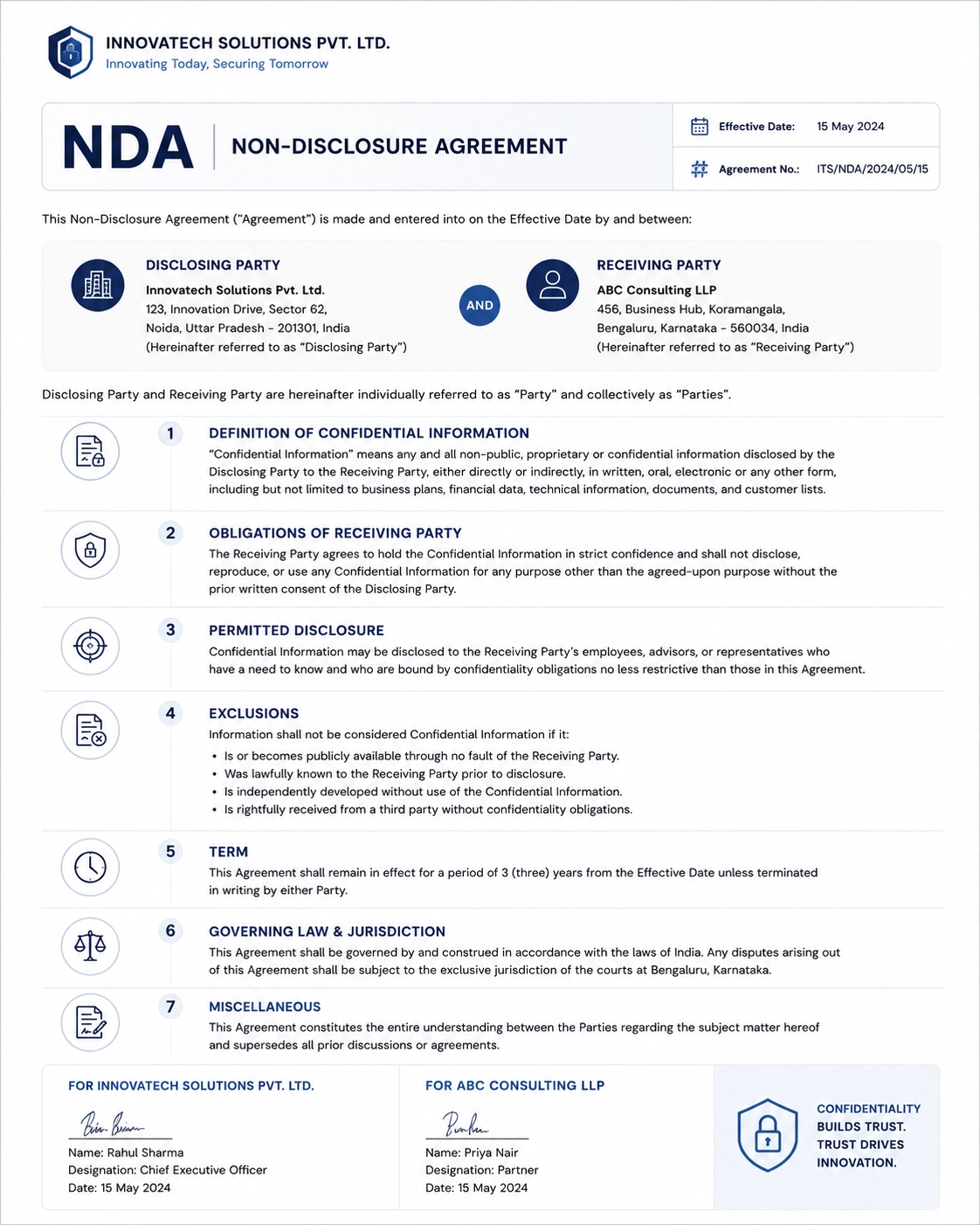
An NDA is a contract that stops the other side from sharing confidential information you reveal in a discussion. You use it with potential hires, partners, contractors, and sometimes investors before showing sensitive material. It will not stop a determined leak, but it gives you legal standing if someone misuses what you shared.
8. IP Assignment Agreement
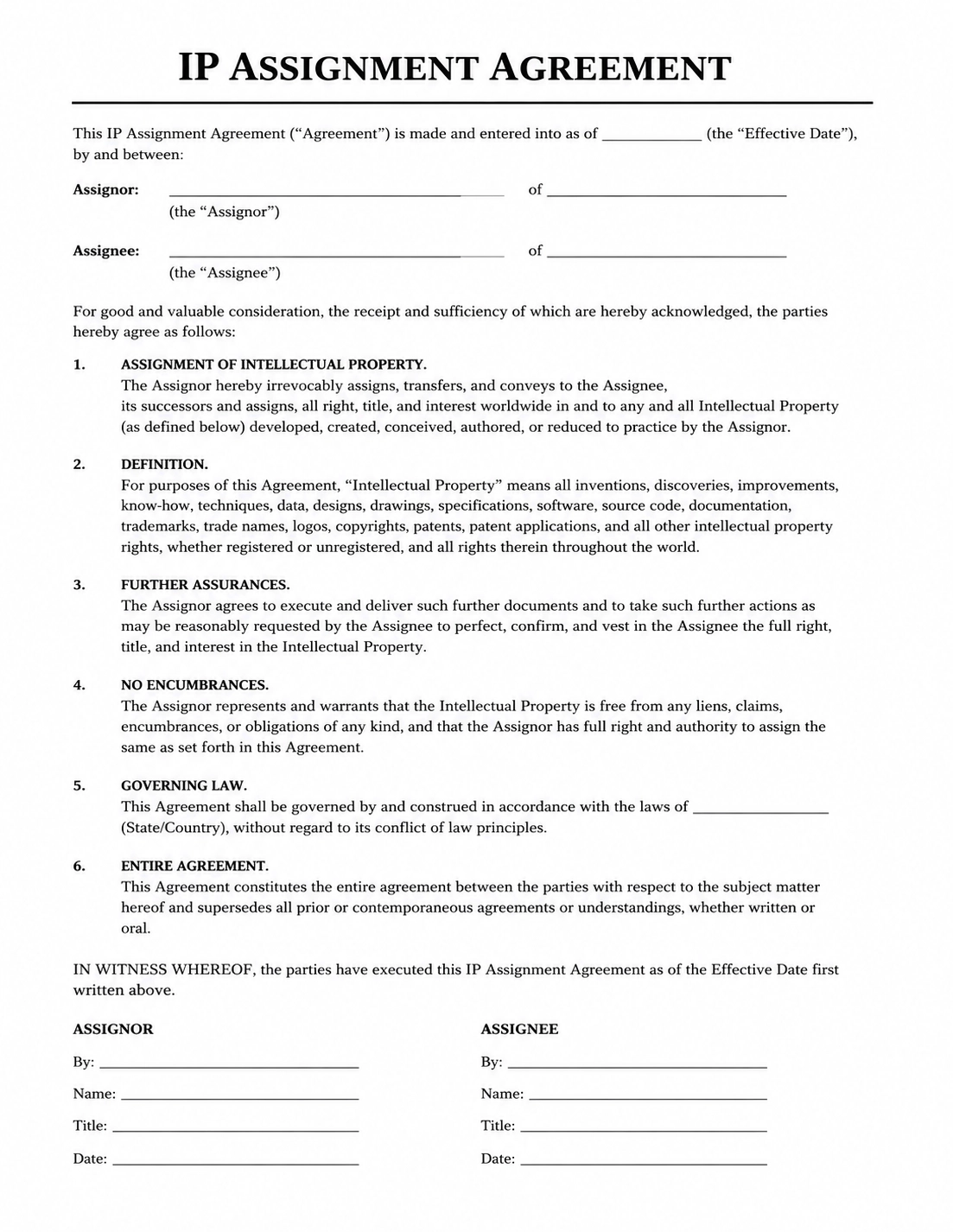
An IP assignment agreement transfers ownership of anything created by founders, employees, or contractors to the company itself. Without it, the person who wrote the code or designed the product may still legally own it, even after you have paid them. This is one of the first things investors check, because the company has to own the thing it sells. It is also the document founders forget most often.
9. Trademark / IP Documents
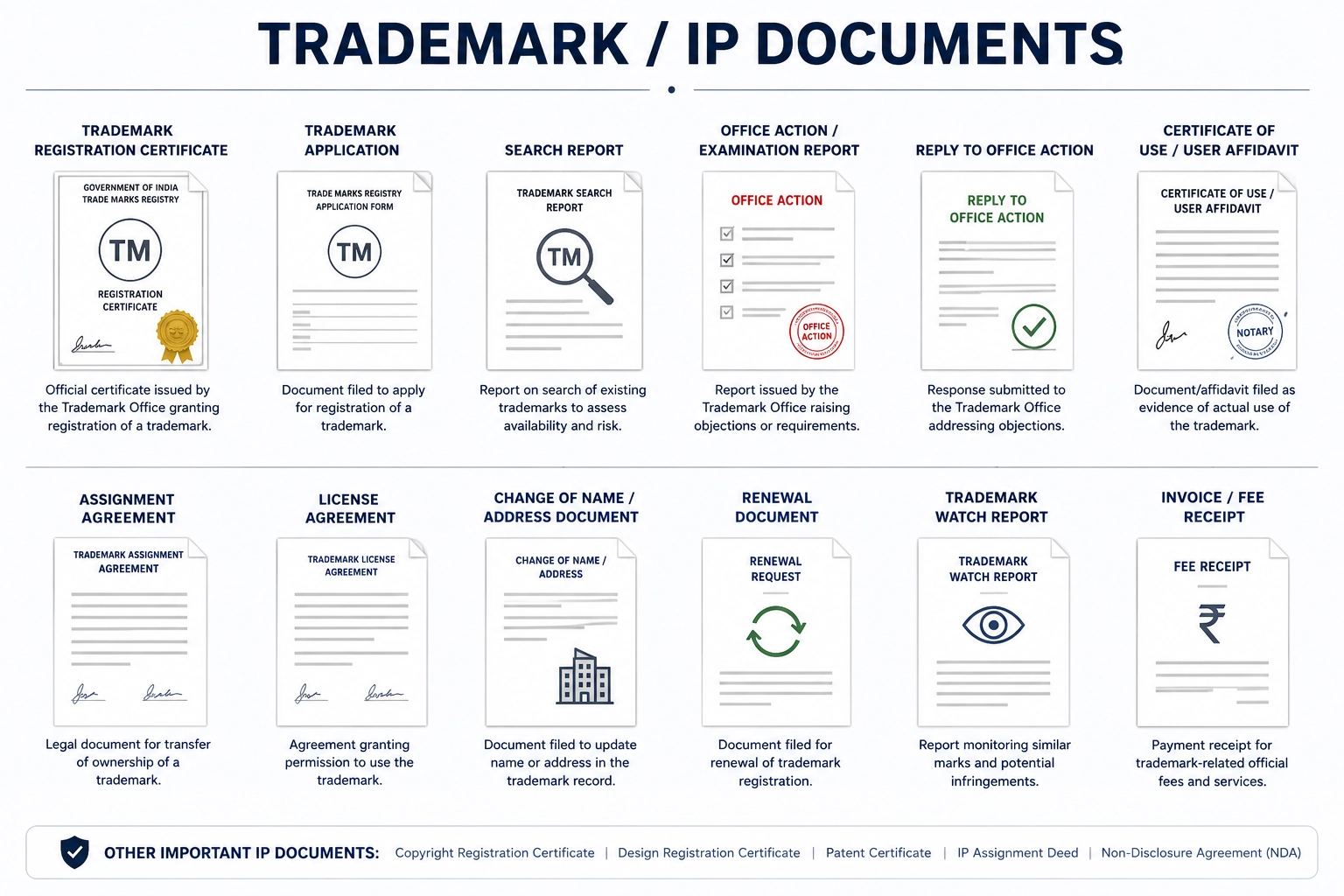
These records prove the company owns its brand and creations: registered trademarks, patents, design rights, and copyright filings. They stop someone else copying or claiming your name, logo, or product. Even before you register anything, keep a clear record of what you have built and when you built it.
10. Employee Contracts
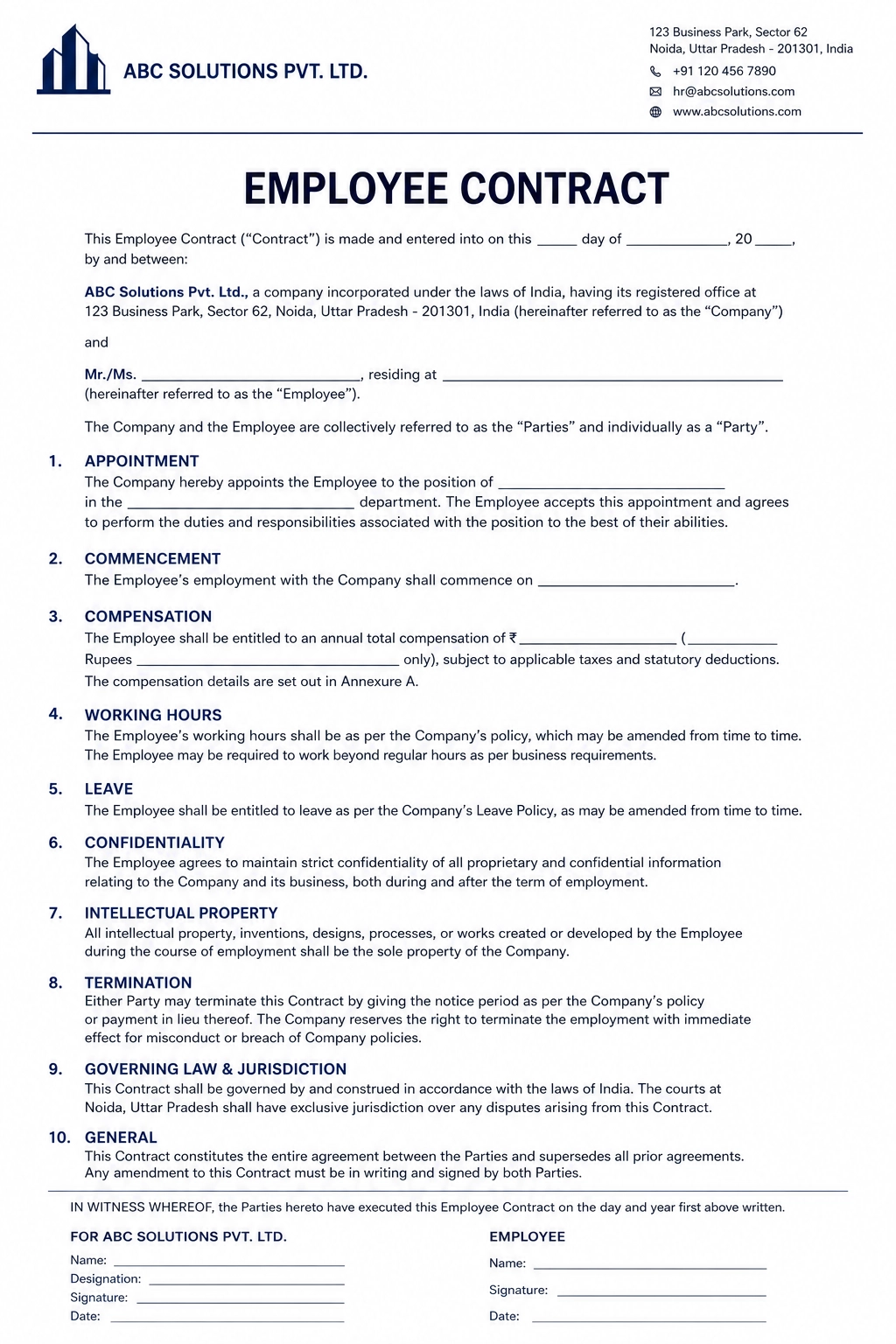
An employee contract sets the terms between the company and each full-time hire: role, salary, hours, notice period, and confidentiality. It also confirms that whatever the employee builds belongs to the company. Clear contracts head off disputes later and show investors your team is set up properly.
11. Offer Letters
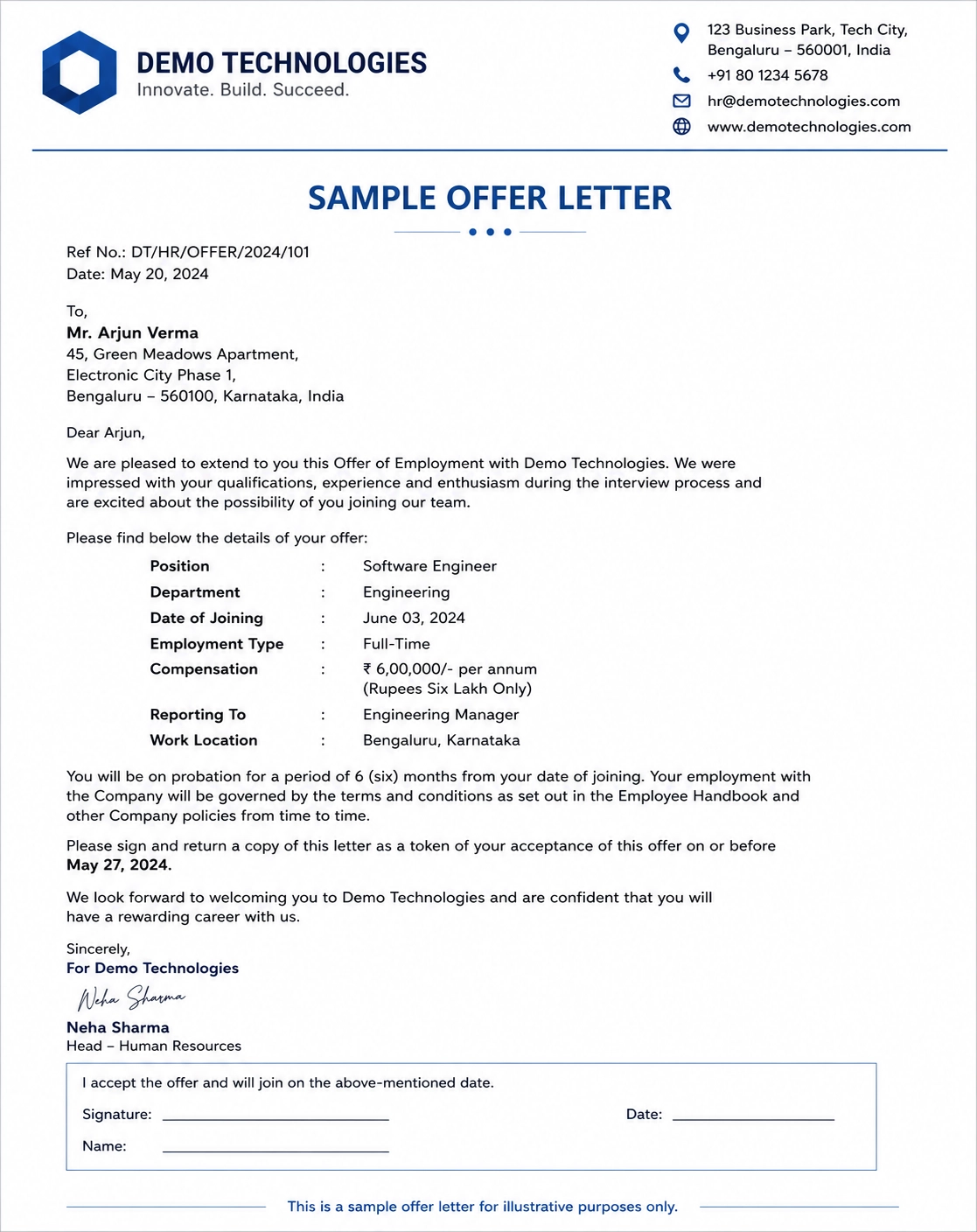
An offer letter is the document you send a candidate before they join, stating the role, pay, start date, and any equity on the table. It is shorter than a full contract and is usually the first formal step in hiring. Getting the terms right here saves awkward corrections once someone has already said yes.
12. HR Policies
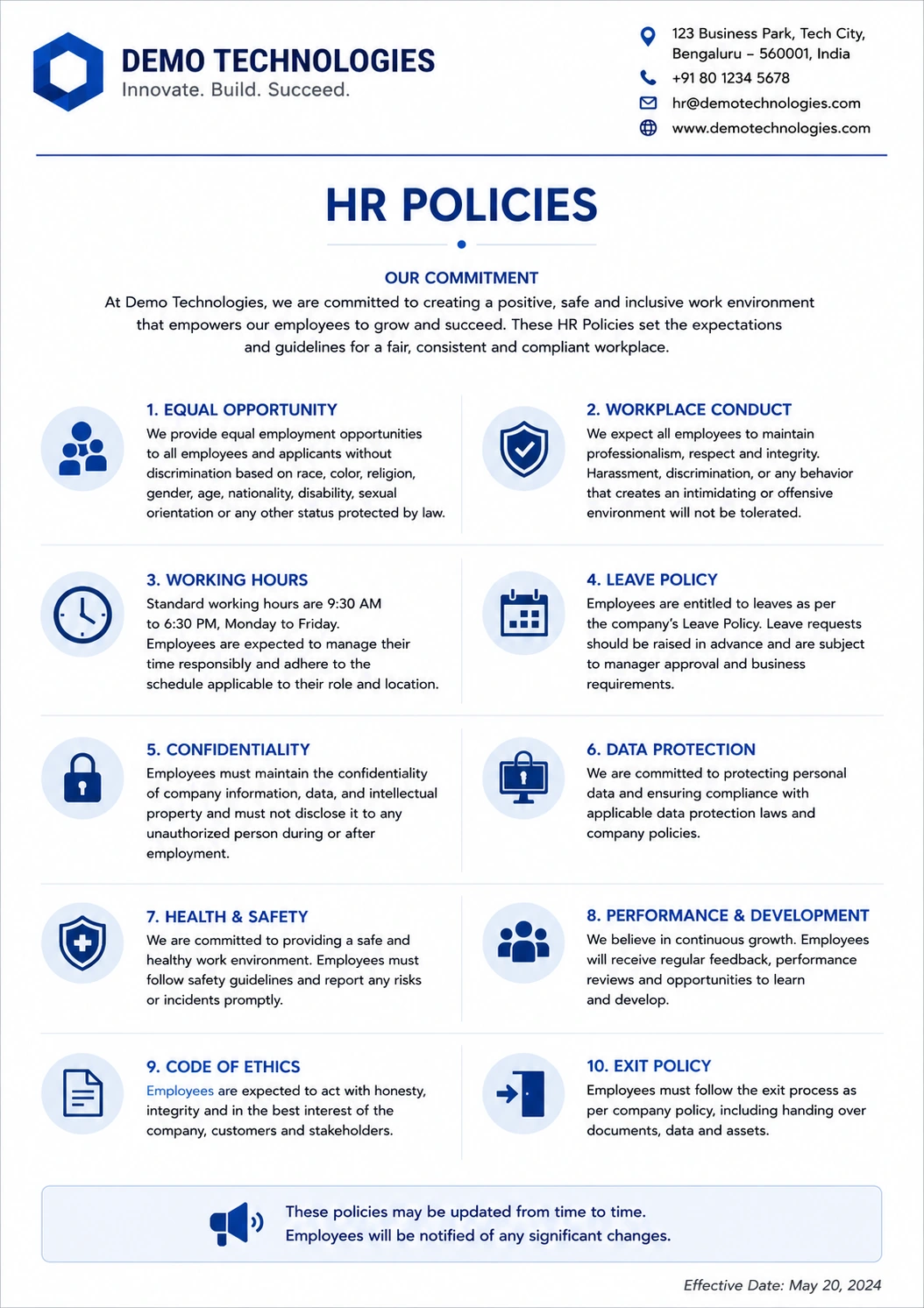
HR policies are the written rules for how your team works: leave, conduct, remote work, grievances, and anti-harassment. Even a small team benefits from having these on paper, because they set expectations and protect the company if a problem comes up. Once you grow past a handful of people, this stops being optional.
13. Terms of Service
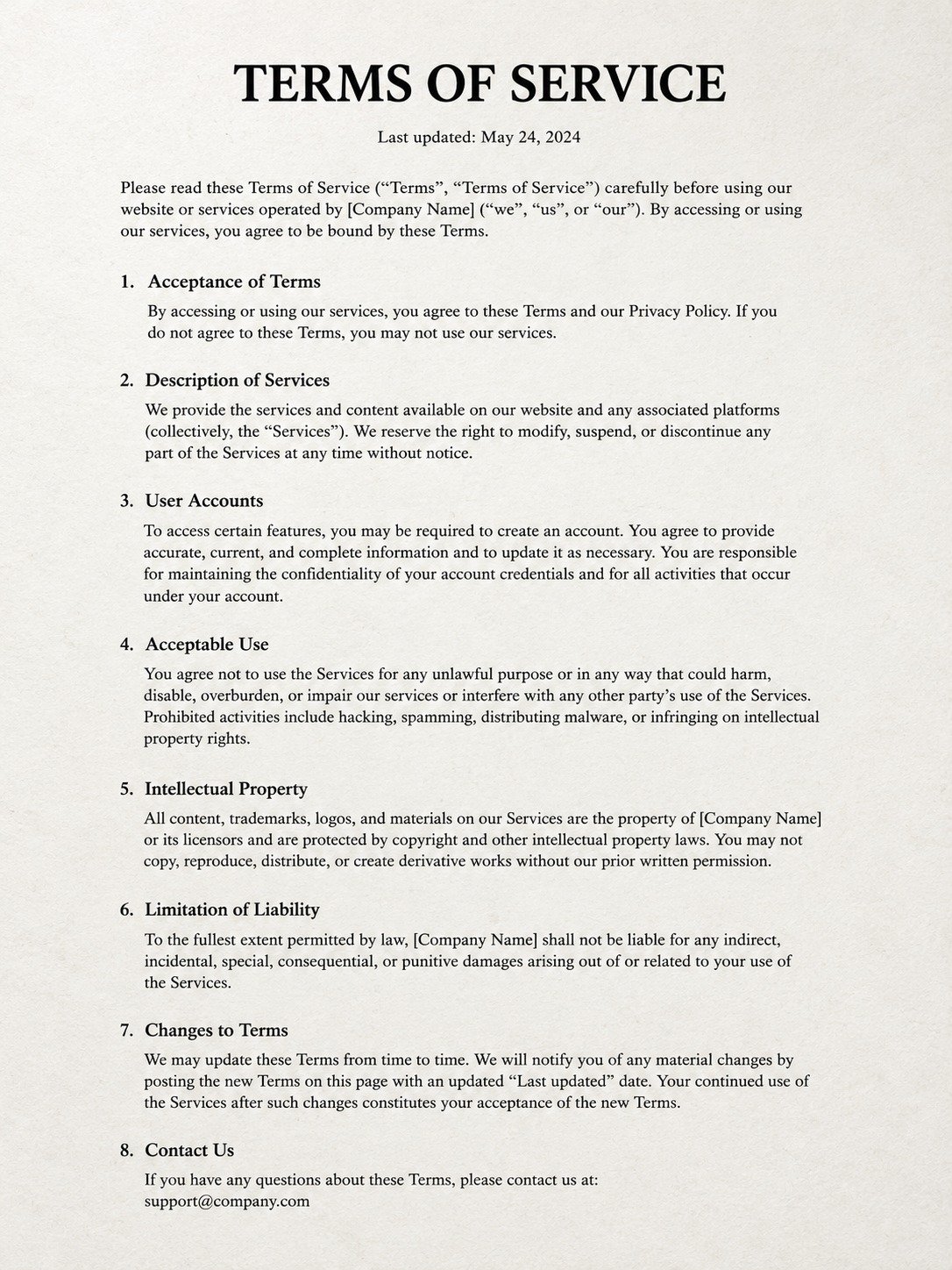
Your terms of service are the rules people agree to when they use your product or website. They set out what users can and cannot do, your liability limits, and how disputes are handled. If you run a SaaS product, an app, or an online store, this is your contract with every customer.
14. Privacy Policy
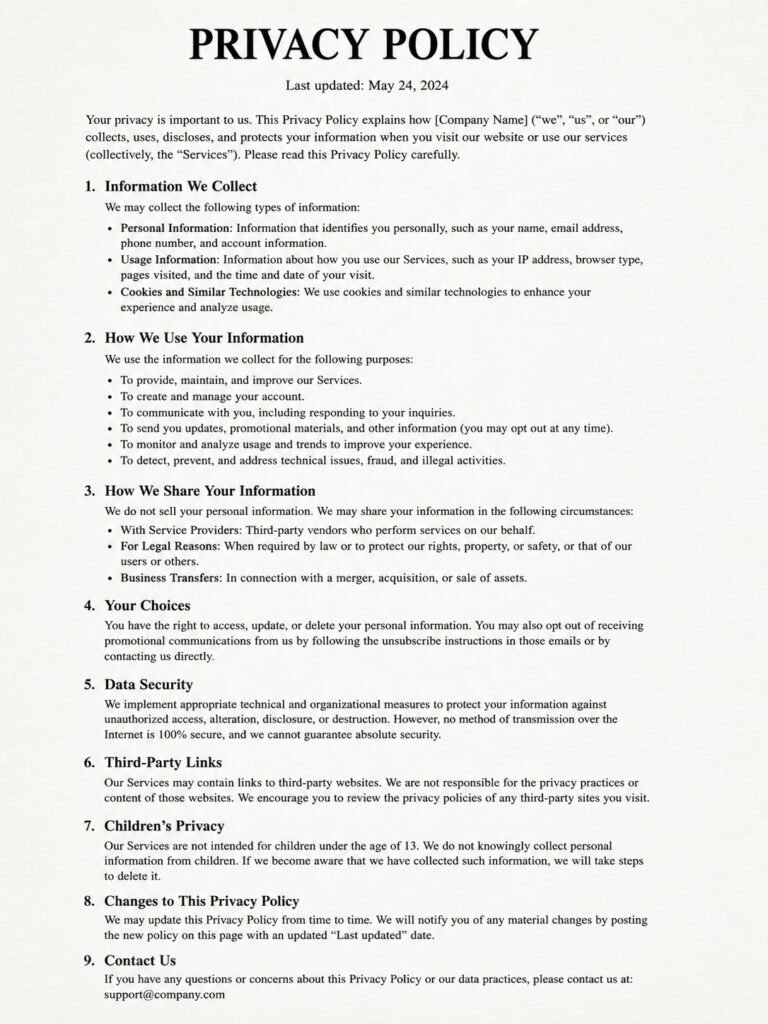
A privacy policy explains what personal data you collect, why you collect it, and how you handle it. Laws like GDPR in Europe, the DPDP Act in India, and CCPA in California require one if you gather user data. Beyond the legal box-ticking, a clear policy builds trust with the people handing you their information.
15. Legal Compliance Docs
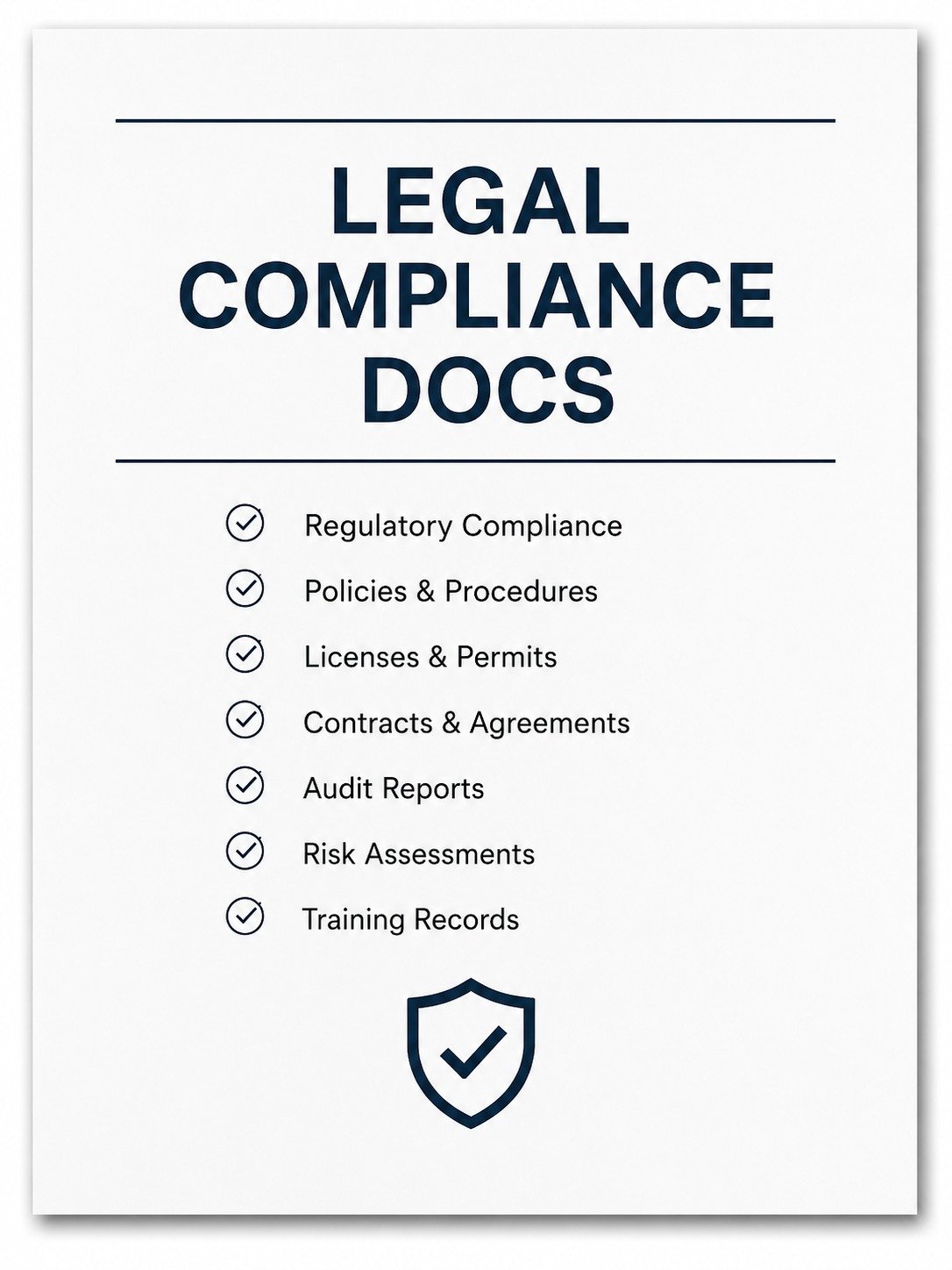
These cover the licences, registrations, and filings your industry and location demand: tax registration, GST or VAT, sector permits, and annual returns. What you need depends on where you operate and what you sell. Missing filings can bring fines or even get your company struck off, so keep a checklist with renewal dates on it.
16. Pitch Deck
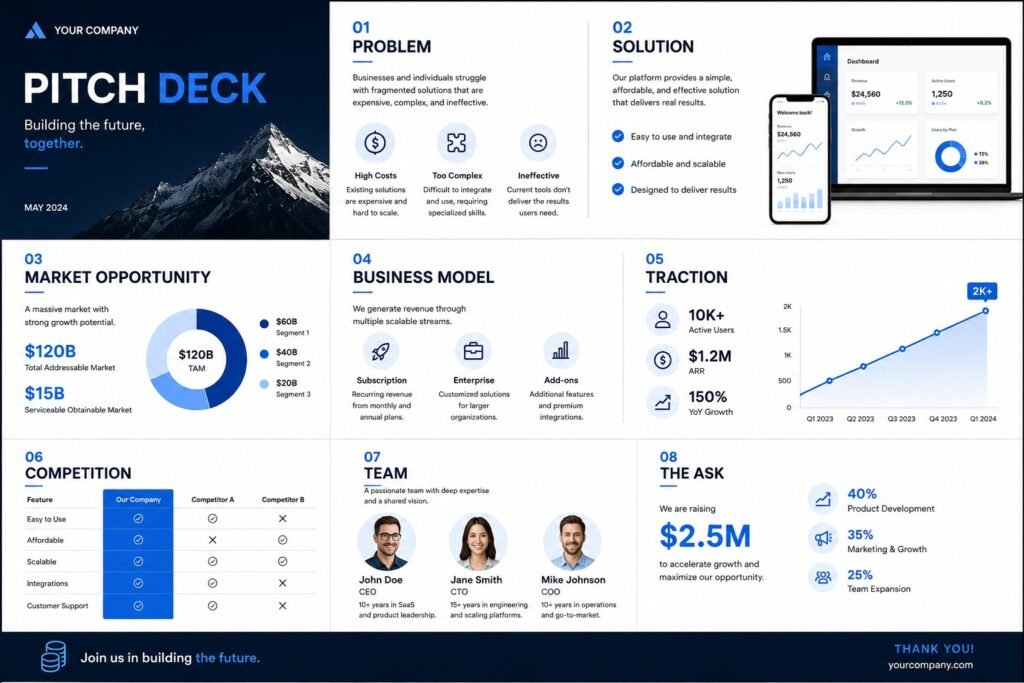
A pitch deck is the short slide presentation you use to explain your business to investors. It walks through the problem, your solution, the market, your traction, the team, and how much you are raising. A good deck is clear and honest; it earns you the meeting, and the meeting is where the real decision gets made.
17. Financial Model
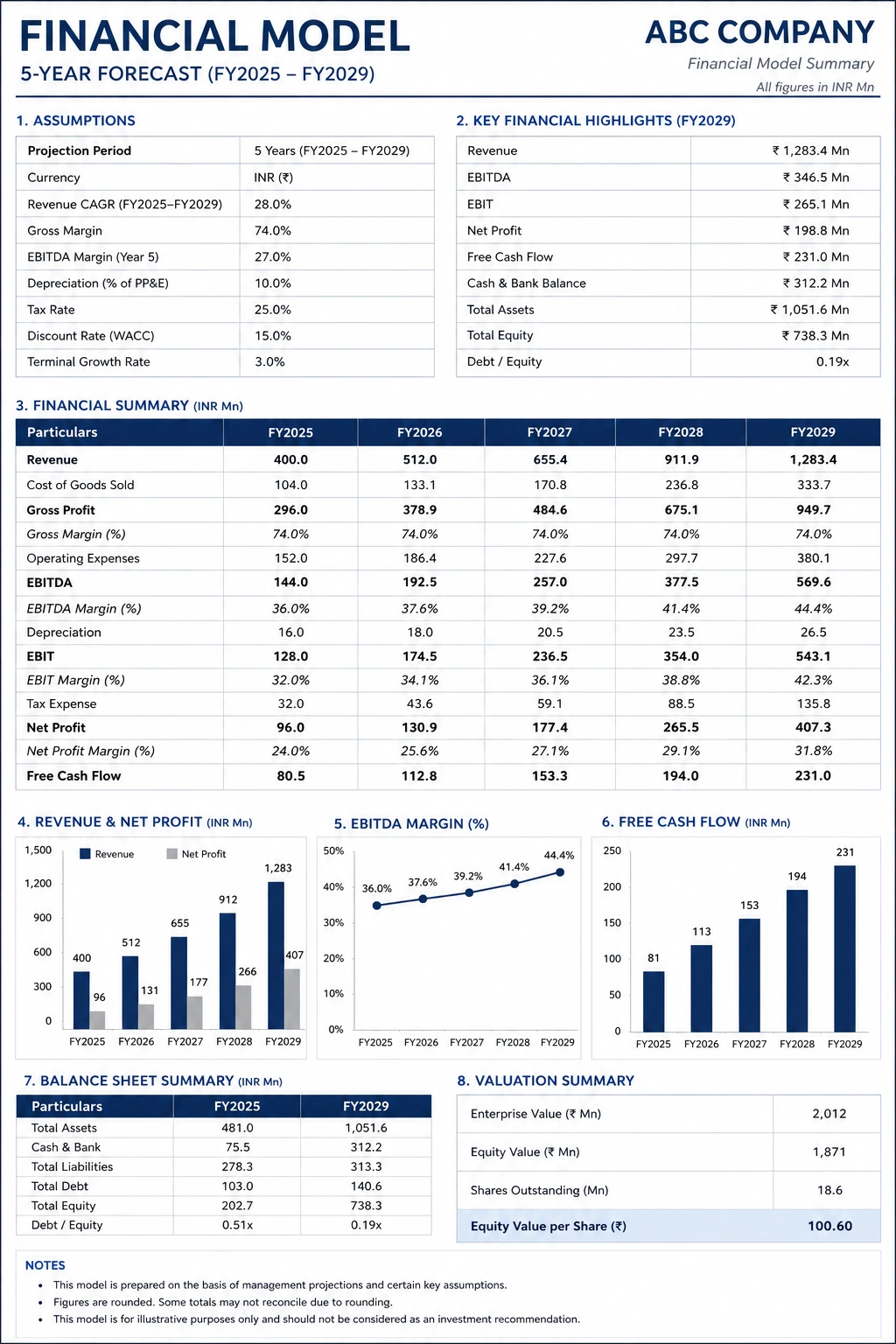
A financial model is a spreadsheet that maps your revenue, costs, and cash over the next few years. It shows your runway, meaning how long your money lasts, along with the assumptions behind your growth. Investors read it to see whether you understand your own numbers, so build it yourself rather than handing it off blindly.
18. Term Sheet (if funded)
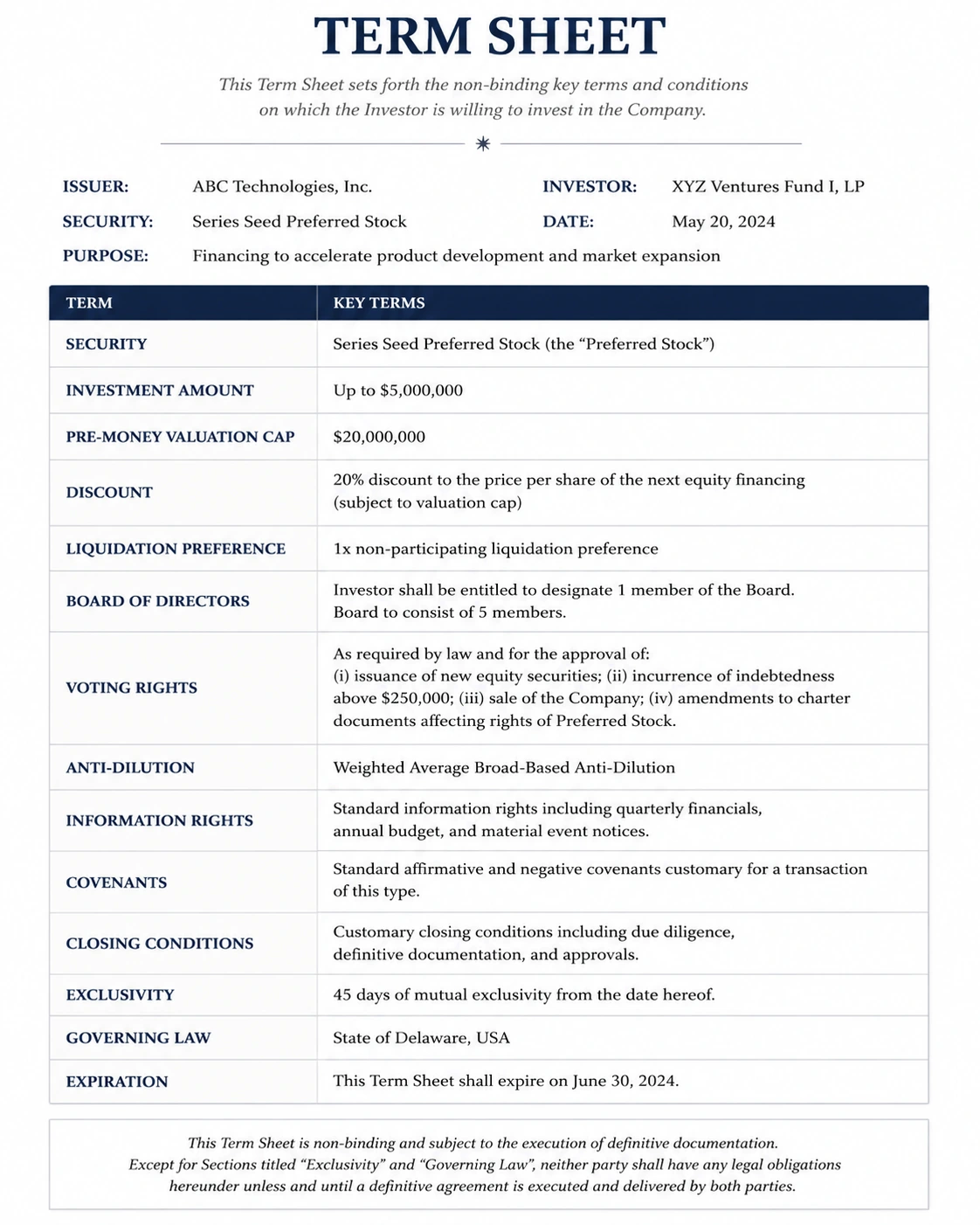
A term sheet is the short document an investor hands you that sets the main terms of their investment before the full contracts get drawn up. It covers the amount, the valuation, the equity, board seats, and investor rights. It is mostly non-binding, but it shapes the entire final deal, so read every line and get advice before you sign.
When you actually need each one
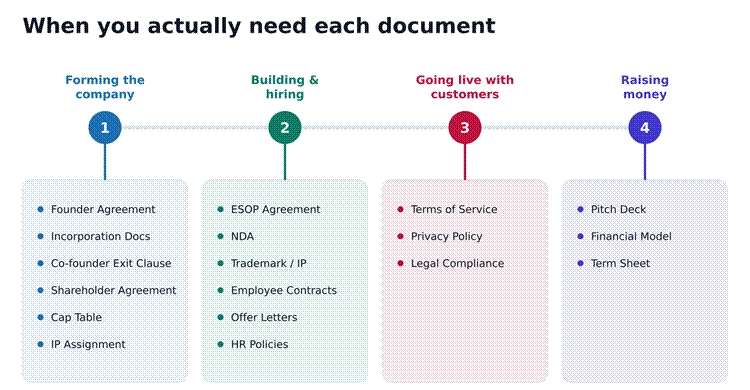
You do not need all 18 on day one. This table groups them by the stage at which they start to matter, so you can build the set in the right order.
Forming the company
- Founder Agreement
- Incorporation Docs
- Co-founder Exit Clause
- Shareholder Agreement
- Cap Table
- IP Assignment
Building & Hiring
- ESOP Agreement
- NDA
- Trademark / IP
- Employee Contracts
- Offer Letters
- HR Policies
Going live with customers
- Terms of Service
- Privacy Policy
- Legal Compliance
Raising money
- Pitch Deck
- Financial Model
- Term Sheet
Keep them all in one place.
Once you have these, put them in a single secure folder, often called a data room. A shared Google Drive or Notion space works fine at the start. Name files clearly, keep one current version of each, and update the cap table and financial model whenever something changes. When an investor asks for your data room, you want to send a link, not spend a week digging through old emails.
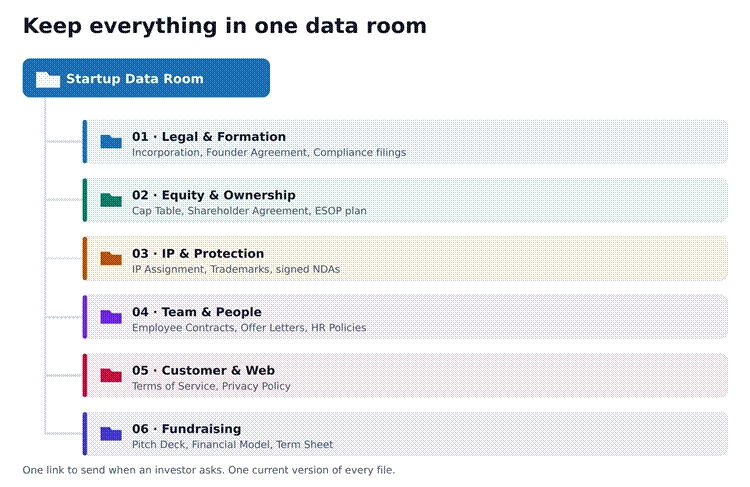
Keep everything in one data room
01 · Legal & Formation
Incorporation, Founder Agreement, Compliance filings
02 · Equity & Ownership
Cap Table, Shareholder Agreement, ESOP plan
03 · IP & Protection
IP Assignment, Trademarks, signed NDAs
04 · Team & People
Employee Contracts, Offer Letters, HR Policies
05 · Customer & Web
Terms of Service, Privacy Policy
06 · Fundraising
Pitch Deck, Financial Model, Term Sheet